


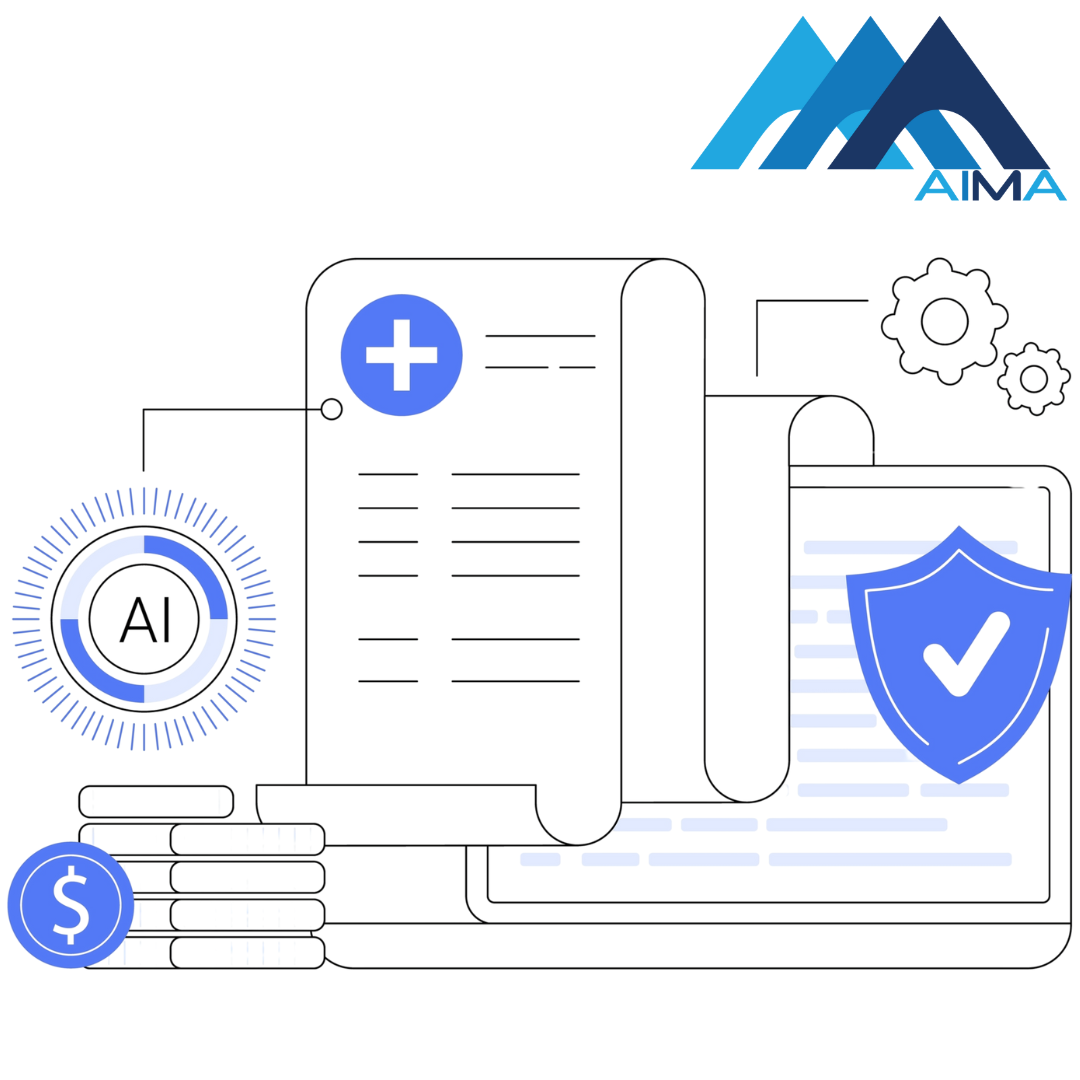
The future of healthcare administration is here, and it looks remarkably different from the paper-laden processes of the past. Automation in medical billing is transforming how independent practices and laboratories manage their revenue cycles, promising faster payments, fewer errors, and more time for what matters most—patient care. As we move through 2026, the healthcare industry is witnessing a technological revolution that is reshaping every aspect of revenue cycle management.
The Rise of Intelligent Automation
Healthcare providers nationwide are discovering that automation is no longer a luxury but a necessity for sustainable practice management. Artificial intelligence and robotic process automation have moved beyond experimental phases to become daily tools that handle repetitive tasks with remarkable consistency. These technologies can automatically verify patient eligibility, post electronic payments, conduct routine claim status checks, and generate patient statements without human intervention.
The real benefit extends beyond simple speed. Automated systems eliminate the typos and inconsistencies that plague manual processes, ensuring that work gets completed accurately even when staff members are unavailable. For independent medical practices and laboratories, this reliability translates directly into improved cash flow and reduced administrative burden.
Smarter Claims Processing for Better Results
One of the most impactful areas where automation is making a difference is in claims processing and submission. Advanced systems can now review claims before submission, catching errors that would typically result in denials. By analyzing patterns in billing data, these platforms identify common mistakes and suggest corrections before claims ever leave your office.
The statistics are compelling. Approximately 85% of first-time claims denials are avoidable, often due to incomplete or inconsistent data. Automation addresses this challenge head-on by standardizing data entry and flagging potential issues before they become costly problems. Revenue cycle management solutions that incorporate automation capabilities help practices achieve higher first-pass claim acceptance rates and reduce the time spent on rework.
Predictive Analytics Preventing Problems
The next generation of automated billing systems goes beyond simple task completion to predictive problem-solving. Artificial intelligence can analyze historical claim data and payer feedback to flag high-risk claims before submission, allowing billing teams to address potential issues proactively. When denials do occur, intelligent systems prioritize which claims to appeal based on likelihood of success and dollar value, helping practices deploy resources more effectively.
This predictive capability represents a fundamental shift from reactive to proactive revenue cycle management. Rather than waiting for problems to occur, automated systems anticipate challenges and provide actionable insights. For practices working with revenue cycle management partners, these technologies enable faster identification of trends and more strategic decision-making.
Streamlining Prior Authorization and Verification
Prior authorization has long been one of the most frustrating bottlenecks in medical billing, causing treatment delays and administrative headaches. Automation is transforming this process through electronic prior authorization systems that are finally reaching widespread adoption and genuine interoperability.
Rather than juggling multiple payer portals and phone calls, automated verification systems can instantly confirm insurance details and detect policy lapses. Some payers are even implementing real-time authorization decisions for certain procedures, providing instant approvals during patient encounters rather than days-long waits. For practices focused on medical billing efficiency, these improvements reduce administrative overhead while allowing patients to start treatment faster.
Enhanced Accuracy Through Automated Coding
Medical coding accuracy directly impacts reimbursement speed and compliance. Automated coding systems now offer intelligent suggestions based on clinical documentation, dramatically reducing the time required for this complex task. These platforms can translate medical services and diagnoses into standardized billing codes while ensuring compliance with current coding guidelines.
The consistency that automation brings to medical coding processes minimizes costly errors and helps practices maintain compliance with evolving regulations. When combined with human expertise for complex cases, automated coding creates a powerful hybrid approach that balances efficiency with accuracy.
Integration Across the Revenue Cycle
The most effective automation strategies connect multiple aspects of revenue cycle management into seamless workflows. Modern platforms integrate eligibility verification, claim submission, payment posting, and denial management into unified systems that eliminate duplicate data entry and manual reconciliation.
For independent practices and laboratories, this integration means information flows smoothly from patient registration through final payment collection. Accounts receivable management becomes more efficient when automated systems track unpaid claims and trigger appropriate follow-up actions based on aging thresholds and payer-specific rules.
The Human Element Remains Essential
While automation handles routine tasks with impressive efficiency, human expertise remains irreplaceable for complex situations that require judgment, negotiation, and strategic thinking. The most successful billing operations combine automated processes for routine work with skilled professionals who focus on cases that truly need human attention.
This balance allows billing teams to work at the top of their capabilities rather than getting bogged down in repetitive tasks. Dedicated account managers who understand your practice can leverage automated reporting and analytics to provide strategic insights while automated systems handle the operational details.
Security and Compliance in Automated Systems
As automation expands throughout revenue cycle management, security remains paramount. Modern automated billing platforms incorporate HIPAA-compliant encryption and advanced security protocols to protect sensitive patient information. All communication occurs through compliant encrypted platforms, ensuring maximum control over patient claims data.
For practices evaluating revenue cycle management solutions, security certifications and compliance frameworks should be non-negotiable requirements. The right automation partner maintains rigorous data protection standards while delivering operational efficiency.
Real Results from Automation Investment
Healthcare organizations implementing comprehensive automation strategies are seeing measurable improvements in their financial performance. Practices report significant increases in revenue, with many witnessing improvements within their first three months of implementation. The combination of faster claim processing, reduced denials, and improved collection rates creates sustainable revenue growth.
Additionally, automation typically delivers substantial cost savings on financial overheads by reducing the manual labor required for routine tasks. These efficiency gains allow practices to reallocate resources toward patient care and practice growth rather than administrative processing.
Looking Ahead
The trajectory of automation in medical billing points toward increasingly sophisticated systems that learn and adapt over time. Machine learning models will continue evolving as payer rules change, ensuring ongoing compliance without constant manual updates. The integration of artificial intelligence, predictive analytics, and robotic process automation will continue reshaping the financial backbone of healthcare delivery.
For independent medical practices and laboratories, embracing automation is not about replacing human expertise but amplifying it. The practices that thrive will be those that strategically combine technology with experienced revenue cycle management professionals who understand the nuances of billing, coding, and payer relationships.
Partner with Expertise for Your Automated Future
Navigating the transition to automated revenue cycle management requires both technological capability and deep industry knowledge. Whether you need support with billing processes, comprehensive accounts receivable management, or full revenue cycle optimization, the right partnership can accelerate your journey toward greater efficiency and profitability.
Are you ready to transform your revenue cycle with intelligent automation? Contact AIMA Business and Medical Support today to discover how our team of experienced revenue cycle managers and healthcare IT experts can help your practice achieve faster payments, reduced administrative burden, and sustainable growth. Our dedicated account managers work collaboratively with you to build custom solutions that optimize your unique operations while leveraging cutting-edge automation capabilities.


Ready to Get Started?
Contact AIMA Business and Medical Support today. Our friendly team are on available to answer your questions.


"*" indicates required fields

